
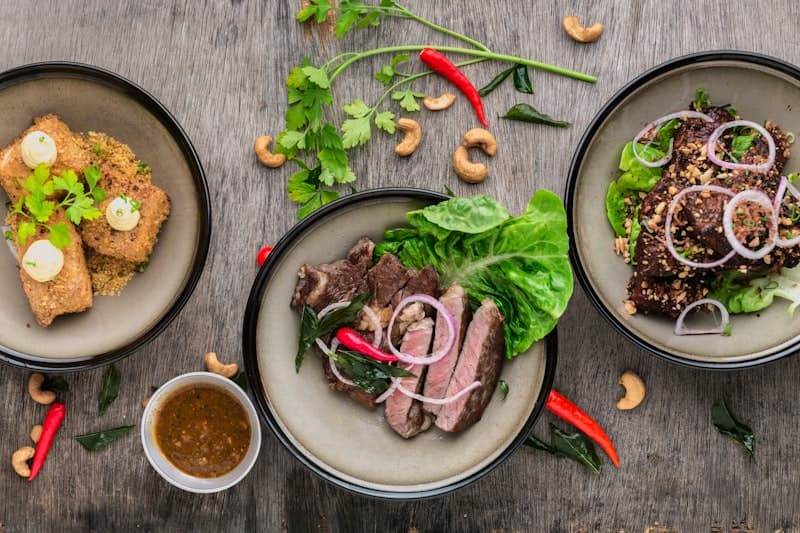
What Does Elk Meat Taste Like?
Elk has a rich, complex flavor stronger than beef but less gamey than venison. Many describe it as having subtle sweet, earthy notes with a hint of wild game character.
The taste intensity varies by the elk's diet (grass-fed tends toward herbaceous notes) and age. Younger elk offers milder flavor, while mature animals provide deeper, more pronounced taste.
Why Is Elk So Lean?
Elk in the wild (or pasture-raised) exercise constantly and have fast metabolisms, resulting in minimal intramuscular fat. This leanness makes elk healthier than grain-fed beef but requires careful cooking to avoid dryness.
Fine dining chefs compensate by cooking elk to no higher than medium-rare and often serving it with rich sauces, compound butters, or bacon wrapping.
How Do Chefs Prepare Elk at Fine Dining Restaurants?
Elk steaks are typically seared hard on high heat to develop a flavorful crust, then finished in the oven to medium-rare. The short cooking time preserves the meat's delicate texture.
Sauces like red wine reduction, peppercorn cream, or mushroom sauce are common pairings. Some chefs dry-age elk to concentrate flavor and enhance tenderness, similar to beef preparation.
Is Elk Safe to Eat Rare?
Yes, when sourced from reputable suppliers with proper handling. Wild game and farm-raised elk follow strict health protocols, making them safe to serve rare or medium-rare at fine dining establishments.
Always verify that the restaurant sources from regulated suppliers. Trust the chef's expertise; if they offer elk rare, they've ensured safety.