
What Happens Chemically During Aging?
Aging involves gradual oxidation: oxygen penetrates the cork, reacting with tannins, anthocyanins (pigments), and flavor compounds. This creates new aromatic molecules, developing complexity.
Tannins polymerize, binding together into larger chains that taste less harsh and more integrated. Acids soften slightly. Esters (fruit esters from fermentation) break down slowly, shifting flavor from fruity to savory.
How Does Oak Aging Influence Wine?
Oak barrels impart vanilla, spice, toast, and butterscotch notes during barrel aging (typically 12-24 months). The wood also provides controlled oxygen exposure, accelerating favorable aging reactions.
New oak creates overt oak flavors; older oak (used 2-3 times) is more subtle. Oak aging adds structure and complexity, extending aging potential beyond unoaked wines.
Which Wines Age Well?
High-tannin wines (Cabernet Sauvignon, Barolo, Bordeaux) and high-acidity wines (Riesling, Champagne) age gracefully for decades. These compounds provide the structure needed for improvement.
Low-tannin, low-acid wines (many Pinot Noirs, lighter whites) peak early and fade over time. Fine dining wine lists often showcase premium agers, as age adds prestige and complexity.
Why Don't All Wines Improve with Age?
Most modern wines (70-80%) are crafted to drink within 1-5 years. They lack the tannin structure and acidity for extended aging. Over-aging these wines results in faded flavor and oxidation.
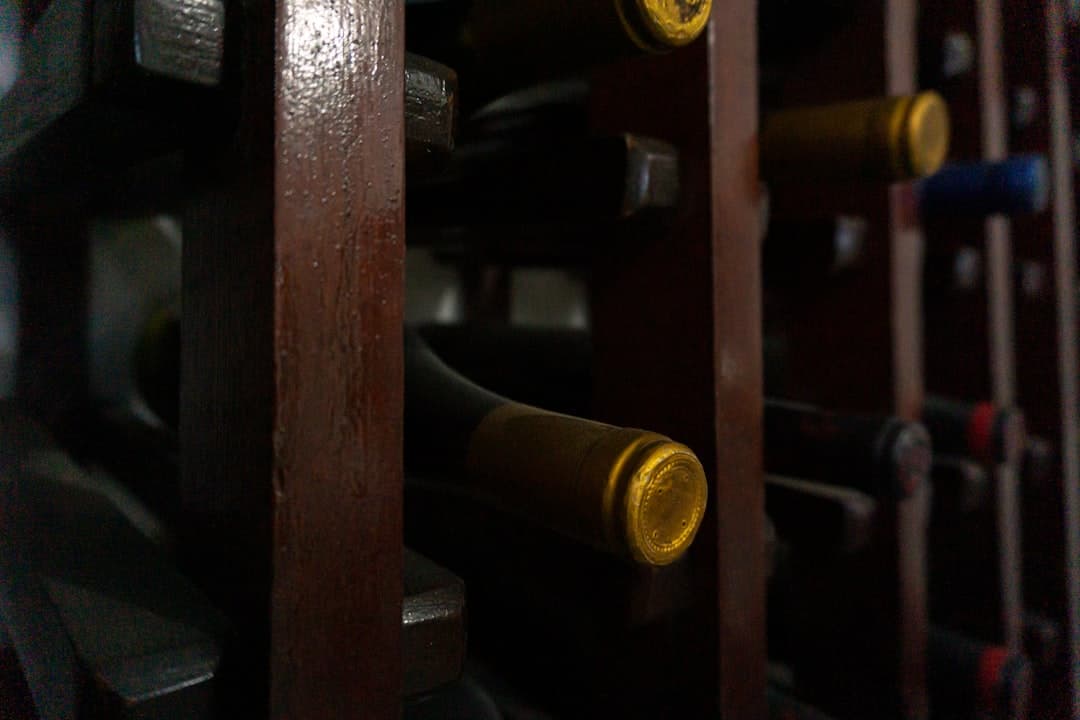
Proper storage is also critical: cool, dark, humid conditions slow aging appropriately. Poor storage (heat, light, fluctuation) speeds degradation, ruining otherwise age-worthy wines.