
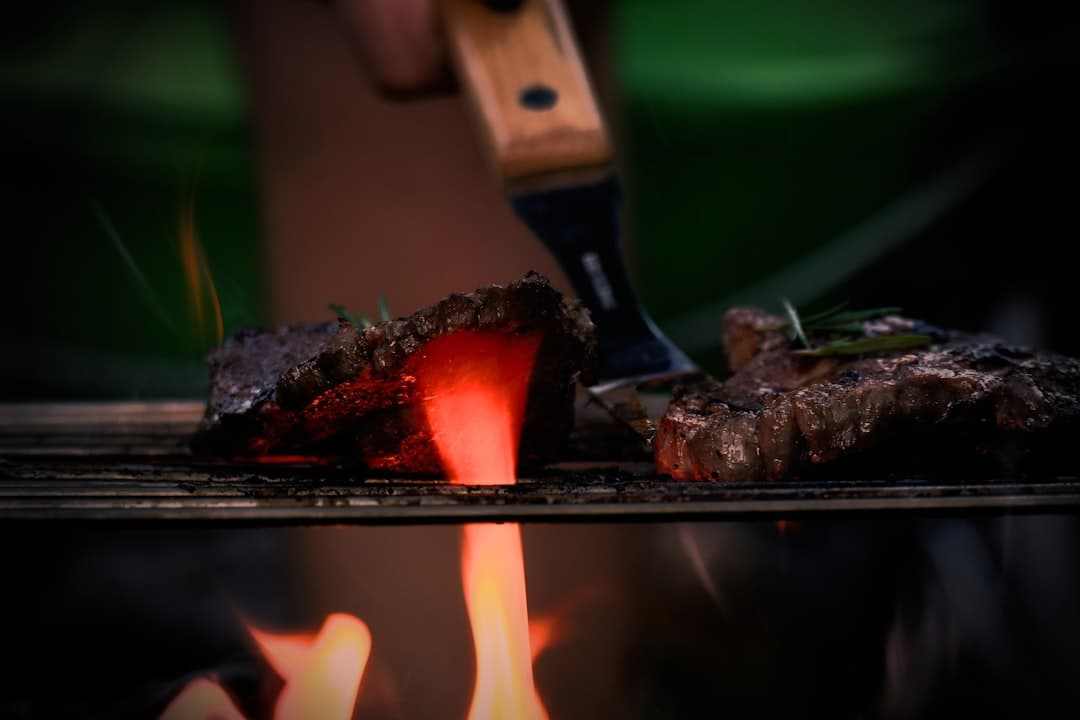
What Temperature Is Rare Steak?
Rare steak reaches an internal temperature of 120-125°F with a cool, red center and warm exterior. The meat is barely cooked, retaining maximum juiciness and tender texture.
Rare steak works best with high-quality, well-marbled cuts like ribeye. The fat content compensates for minimal cooking, adding richness and flavor.
Why Is Medium-Rare Considered the Sweet Spot?
Medium-rare (130-135°F) offers the ideal balance: a warm pink center with slight browning, delivering maximum flavor development while preserving juiciness. The brief sear creates a crust without overcooking.
This temperature is recommended for most premium steaks at fine dining restaurants. It showcases quality cuts perfectly and is forgiving for various thickness levels.
How Does Temperature Affect Flavor?
As steak cooks, proteins denature and fat renders, creating complex flavors through the Maillard reaction (browning). Rare steaks miss some flavor development; well-done loses juiciness from moisture loss.
Temperature zones create different taste experiences: rare is tender and pure, medium gets savory depth, well-done offers more umami from browning but less texture nuance.
What About Well-Done Steak?
Well-done steak (160°F+) has no pink and is brown throughout, resulting in a firmer texture and reduced juiciness. Most meat enthusiasts avoid this level, as premium steaks lose their distinguishing qualities.
If you prefer well-done, consider less tender cuts or ask for a generous sauce to add moisture. Many fine dining chefs recommend medium or medium-well as a compromise.